قدر خانواده ات را بدان...

با مردی که در حال عبور بود برخورد کردم اووه! معذرت میخوام. من هم معذرت میخوام. دقت نکردم ...

ما خیلی مؤدب بودیم ، من و این غریبه خداحافظی کردیم و به راهمان ادامه دادیم.

اما در خانه با آنهایی که دوستشان داریم چطور رفتار می کنیم؟

کمی بعد از آنروز، در حال پختن شام بودم دخترم خیلی آرام کنارم ایستاد همینکه برگشتم به اوخوردم و تقریبا انداختمش با اخم گفتم: ”اه ! ازسرراه برو کنار"

قلب کوچکش شکست و رفت.

نفهمیدم که چقدر تند حرف زدم.

وقتی توی رختخوابم بیدار بودم صدای آرام خدا در درونم گفت: وقتی با یک غریبه برخورد میکنی ، آداب معمول را رعایت میکنی اما با بچه ای که دوستش داری بد رفتار میکنی.

برو به کف آشپزخانه نگاه کن. آنجا نزدیک در، چند گل پیدا میکنی. آنها گلهایی هستند که او برایت آورده است. 

خودش آنها را چیده. صورتی و زرد و آبی.

آرام ایستاده بود که سورپرایزت بکنه.

هرگز اشکهایی که چشمهای کوچیکشو پر کرده بود ندیدی.

در این لحظه احساس حقارت کردم

اشکهایم سرازیر شدند. آرام رفتم و کنار تختش زانو زدم

بیدار شو کوچولو ، بیدار شو. اینا رو برای من چیدی؟


گفتم دخترم واقعاً متاسفم از رفتاری که امروز داشتم نمیبایست اونطور سرت داد بکشم گفت: اشکالی نداره من به هر حال دوستت دارم مامان من هم دوستت دارم دخترم و گل ها رو هم دوست دارم مخصوصا آبیه رو.

گفت: اونا رو کنار درخت پیدا کردم ورشون داشتم چون مثل تو خوشگلن میدونستم دوستشون داری ، مخصوصا آبیه رو ...

آیا میدانید که اگر فردا بمیرید شرکتی که در آن کار میکنید به آسانی در ظرف یک روز برای شما جانشینی می آورد؟

اما خانواده ای که به جا میگذارید تا آخر عمر فقدان شما را احساس خواهد کرد.

و به این فکر کنید که ما خود را وقف کارمیکنیم و نه خانواده مان

چه سرمایه گذاری نا عاقلانه ای! اینطور فکر نمیکنید؟!

به راستی کلمه "خانواده" یعنی چه ؟

منبع: عصر ایران

فیس‌بوک عکس‌های شما را پاک می‌کند.

شرکت فیس‌بوک از این پس عکس‌های پاک شده شما را از سرورهایش پاک می‌کند.

سال‌ها بود که فیس‌بوک نمی‌توانست عکس‌هایی که شما از حساب کاربریتان پاک کرده‌ بودید را از سرورهای خود پاک کند و اگر فردی لینک عکسی که شما پاک کرده بودید را در اختیار داشت به راحتی می‌توانست در اینترنت به آن دسترسی پیدا کند.

اما به نظر می‌رسد که این مشکل برطرف شده است و می‌توانید با خیال راحت عکس‌هایی را که نمی‌خواهید از فیس‌بوک و اینترنت پاک کنید.

شرکت فیس‌بوک اعلام کرده است که سیستم جدید این شرکت برای ذخیره کردن عکس‌ها راه‌اندازی شده است و این سیستم این امکان را می‌دهد که عکس‌ها برای همیشه پاک شوند.

فردریک وولنز ـ سخنگوی فیس‌بوک ـ در این خصوص گفت: با استفاده از سیستم جدید عکس‌هایی که شما از حساب کاربریتان پاک می‌کنید حداکثر تا ۳۰ روز بعد از تمامی سرورها پاک خواهد شد.

وی تصریح کرد: البته طبق معمول عکس‌های پاک شده بلافاصله از صفحه کاربریتان حذف خواهد شد.

آیا برای کمتر خیس شدن در باران باید دوید؟

                           
یک فیزیکدان ایده تازه ای را در پاسخ به یک سئوال که چطور می شود زیر باران کمتر خیس شد، مطرح کرده است.

اگر بدوید، با این که مدت زمان کمتری زیر باران خواهید ماند، قطرات باران بیشتری بر شما خواهد بارید پس سرعت حرکت مطلوب و مناسب کدام است؟
فرانکو بوکی، در گزارشی در ژورنال فیزیک اروپا مدعی شده است که جهت وزش باد و قد و قامت و شکل اندام افراد در پاسخ این سئوال، تعیین کننده است. در بیشتر موارد پاسخ این است : تا جایی که می توانید به سرعت بدوید اما این پاسخ در مورد افراد لاغر و یا زمانی که باد موافق می وزد تغییر می کند. پروفسور بوکی به هیچ عنوان اولین کسی نیست که تلاش می کند این مشکل را به لحاظ محاسبات ریاضی حل کند.

در دهه ۷۰ مقالات تحقیقاتی بسیاری در این باره در مجلات تخصصی ریاضی منتشر شد. در هر کدام از این مقالات موضوعات تازه ای عنوان می شد. در سال ۱۹۸۷ یک محقق ایتالیایی در یک مجله علمی مدعی شد که تغییر استراتژی و اینکه مثلا با چه سرعتی و چگونه بدویم، تغییر مهمی در نتیجه ایجاد نمی کند.

در سال ۲۰۱۱ یک مهندس نساجی در همان مجله نوشت که سرعت مطلوب وجود دارد و میزان خیس شدن افراد زیر باران به جهت وزش باد مربوط است.

پروفسور بوکی به بی بی سی گفت "در تحقیقاتی که قبلا در این باره انجام شده بود غالبا یک پاسخ مشخص و ساده وجود داشت اما به نظر من موضوع بسیار پیچیده تر از است."

به گفته آقای بوکی آنچه موضوع را پیچیده تر می کند شکل اندام افراد است. در مطالعات قبلی برای سهولت کار، افراد زیر باران به شکل یک کاغذ نازک و یا جعبه های چارگوش در نظر گرفته می شدند.

پروفسور بوکی دریافته است که پاسخ دادن به این سئوال که "چه کنیم تا زیر باران کمتر خیس شویم"، همانقدر که به جهت وزش باد و اندازه قطرات باران مربوط است، به قد و قواره و شکل اندام آدمها هم ارتباط دارد.

در این مطالعه در موارد بسیاری داده ها به گونه ای تعمیم داده شده اند که دیگر نیازی به محاسبه میزان کسینوس زاویه بین مسیر شما و جهت باد نباشد.

آقای بوکی گفت: "بهتر است بگوییم بهترین کار در غالب موارد، اما نه همیشه، این است که بدویم، آن هم به سریع ترین شکل ممکن."

به گفته وی اگر فردی لاغر باشد می توان سرعت متناسب و موثری را برای او محاسبه کرد تا با دویدن با آن سرعت کمتر خیس شود در غیر این صورت تند دودیدن بهترین کار است.

اگر باد پشت سر شما بوزد سرعت مطلوب برای دویدن یا راه رفتن دقیقا همان سرعت باد خواهد بود.

به گفته پروفسور بوکی هر چقدر عوامل مختلف بیشتری در جریان مطالعه درباره این موضوع مورد توجه محققان قرار بگیرند، موضوع پیچیده تر می شود.

آموزش تصویری بدن انسان

1- پيشاني: Forehead

2- ابرو: Eyebrow

3- چشم: Eye

4- گوش: Ear

5- بيني: Nose

6- سوراخ بيني: Nostril

7- گونه: Cheek

8- دهان: Mouth

9- فک: Jaw

10- چانه: Chin

11- ريه: Lung

12- كليه: Kidney

13- كبد: Liver

14- قلب: Heart

15- مثانه: Bladder

16- روده: Intestine


17- انگشت: Finger

18- شست: Thumb

19- مچ: Wrist

20- کف دست: Palm

21- دندانها: Teeth

22- لثه: Gum


بازی گوشیهای رهام

سلام 

امروز تصمیم گرفتم یه مقدار در مورد رهام بنویسم الان یک سال و نیمش تمام شده و خیلی کارهای بامزه انجام میده و ما رو حسابی سر گرم میکنه 

1- خیلی علاقه داره که من و پدرش موقع خواب حتما پهلوش باشیم (تخت رهام دقیقا چسبیده به تخت خودمون هست) دیشب چشمامو باز کردم میبینم دو تا چشم بالای تخت وایساده داره منو نگاه میکنه توی اون تاریکی چشماش برق میزد تا میاد پیش ما سریع بیهوش میشه و دوباره بر میگرده سر جاش البته خیلی وقتها هم بر نمی گرده یه کار جالب : (ما توی یه اتاق خواب دیگه یه مبل تخت شو داریم) یه شب که رهام پیش من موندگار شده بود علی رفت توی اون اتاق خواب ساعت نزدیکهای 4 بود که رهام بیدار شد و دید که باباش نیست سریع رفت سر جعبه اسباب بازیهاش یه توپ پیدا کرد رفت توی اون اتاق پیش باباش خوابید.

2- رهام عاشق سالاد شیرازیه ما هم موقع غذا خوردن سالاد رو قایم میکنیم تا رهام غذاشو تموم کنه وقتی غذاشو تموم کرد یه کاسه براش سالاد میریزم میزارم جلوش دونه به دونه میزاره دهنش تا تموم بشه بعد کاسه رو سر میکشه حالا این کارو از کجا یاد گرفته نمیدونم.

3- عاشق لگو بازیه از حالا رفته تو کار برج سازی با دقت تموم میچینه و در آخر همشو میریزه به هم.

4- رهام بیشترین بازی که میکنه توپ بازیه شوت میزنه در حد تیم ملی واقعا عالیه امیدوارم واقعا به یه جایی برسه. رهام میاد توپ رو میزاره دقیقا روی گل وسط فرش و تا اونجا که جا داره دور خیز میکنه و بعد میدود و شوت میکنه. یه شوت خیلی قشنگ و بدون نقص و بعد برای خودش دست میزنه

5- یه روز رفته بودیم بیرون علی دستاشو گذاشته بود پشتش راه میرفت و رهام دقیقا مثل باباش راه میرفت.

6- وای کاش میتونستید حموم رفتشو میدید همچین هلت میده که بچسبی به دیوار که فقط خودش زیر آب باشه عاشق آب و آب بازی

7- خوبی رهام اینکه تا الان هیچ موقع با غذا خوردن ایشون مشکلی نداشتیم (البته خیلی جوجو بود بعضی وقتها شیر نمیخورد) ولی در کل پسر خیلی خوش غذایی و میوه هم خیلی دوست داره البته خیلی از این بابت خوشحالم (نمیتونم بگم کدوم غذا رو بیشتر دوست داره چون همه رو میخوره ولی ماکارونی و مرغ و سیب زمینی رو دیگه نمیدونه چطوری بزاره تو دهنش) راستی یه چیز جالب اینکه وقتی غذا رو میزاری جلوش همه رو میزاره دهنش تا آخر ظرف بعد تازه شروع میکنه به جویدن. رهام حتی شربت آهن و مولتی ویتامین و استانیفون و ... به راحتی که میخوره هیچ  دنبال بقیه اش هم میگرده (بماند که سیر و پیاز و فلفل و ترشی و ... هم شده که به تنهایی بخوره و لذت هم ببره)

8- رهام وقتی میخواد ذوق کنه دهنشو باز باز میکنه بعد دستاشو بالا و پایین میکنه مثل بال زدن با سرعت هر چه تمام تر

9- الان تقریبا 2 ماهی هم میشه که کمتر پوشک میشه این آقا رهام ما خیلی قشنگ وقتی کارش تموم میشه میگه جییییییییییییییییش البته بعضی وقتها هم درست از آب درمیاد و به موقع میگه البته به ندرت.

10- رهام خیلی رقصیدن رو دوست داره حتی با آهنگهای ملایم و غمگین هم میرقصه و لذت میبره.


آشنایی با انواع ضمیر موصولی (Relative Pronouns) و کاربرد آنها

همانطور که می دانیم صفت می تواند قبل از اسم به صورت كلمه به كار رود، و اگر بعد از اسم به كار رود باید بعد از فعل های ربط قرار گیرد. صفت می تواند بعد از اسم، شكل جمله داشته باشد كه چنان جمله ای حالت وصفی دارد به آن جملة وصفی گویند علامت جملة وصفی اینست كه با "که موصولی" شروع می شود.


(جمله وصفی) + (كه) موصولی + اسم


پس " كه موصولی" جملة وصفی را به اسم قبل از خودش وصل می كند؛ به همین علت موصولی نام دارد . خاصیت دیگر " كه موصولی" این است كه از تكرار اسم قبل از خودش در جملة وصفی به هر نحو ممكن جلوگیری می كند .


انواع " که موصولی":

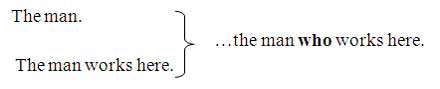
1- who :  از تكرار اسم مشخص(اسم انسان) در فاعل جملة وصفی جلوگیری  می کند.

ضمایر موصولی در زبان انگلیسی


1- The writer ………..has written this interesting story is very famous.

a) whose

b) whom

c) which

d) who *


2- The mechanic ……..is repairing the car is his friend.

a) whose

b) whom

c) who *

d) which


3- I don’t like people ……… lose their tempers easily.

a) whom

b) who *

c) whose

d) which


4- The man ………..telephoned you lives in this house.

a) whose

b) whom

c) who *

d) which


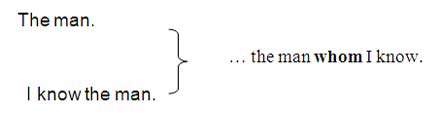
2- Whom : از تكرار اسم مشخص(اسم انسان) در مفعول جمله وصفی جلوگیری می كند.

ضمایر موصولی در زبان انگلیسی

1- The lady ……….. I expected hasn’t come in yet.

 a) whose

b) which

c) whom *

d) what


2- The man …………. They employed has blue eyes.

a) whose

b) which

c) where

d) whom *


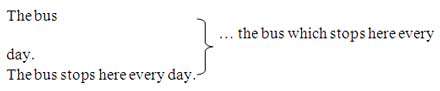
3- Which : از تكرار اسم غیرمشخص (اشیا یا حیوانات) در فاعل جمله وصفی جلوگیری می كند.

ضمایر موصولی در زبان انگلیسی


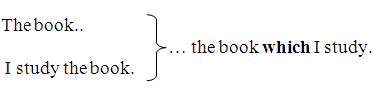
4- Which : از تكرار اسم غیرمشخص در مفعول جمله وصفی جلوگیری می كند.

ضمایر موصولی در زبان انگلیسی

1- The car ………..was talking us to the airport broke down.

a) which *

b) who

c) whose

d) whom


2- The ladder on ………. I was standing began to slip.

a) whose

b) where

c) which *

d) that


3- The cars …………were fixed yesterday are over there.

a) which *

b) who

c) whore

d) whom


4- The letter ……… he has written is in his room.

a) who

b) whom

c) which *

d) whose

5- Where : از تكرار اسم مكان در جمله وصفی جلوگیری می كند.

ضمایرموصولی در زبان انگلیسی


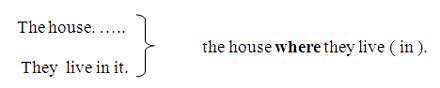
نکته : باید دانست كه وقتی كه از where استفاده می شود نیاز به حرف اضافه مكان نیست.


6- When : از تكرار اسم زمان در جمله وصفی جلوگیری می كند.

ضمایرموصولی در زبان انگلیسی


7- Whose : از تكرار صفت ملكی در جمله جلوگیری كند.

ضمایرموصولی در زبان انگلیسی


نکته: البته اگر قبل whose اسم غیرمشخص وجود داشته باشد می توان به جای whose از of which استفاده كرد بدین ترتیب كه اسم بعد از whose را به قبل از whose منتقل می كنیم و به جای whose از of which استفاده می کنیم.

…The dog whose name was Top

ا the dog the name of which was top of.

The room whose door…

The room the door of which…


نکته: اگر در جمله وصفی عدد قبل از صفت ملكی وجود داشته باشد آن عدد به قبل از whose منتقل می شود.

1. The children ………… painting prize were given ten pounds each.

a) who

b) that

c) what

d) whose *


2. The writer………….works are always admired by people all over the world is William Shakespeare.

a) whose *

b) whom

c) which

d) who


3. Amin……… father works in this department store is in our class.

a) that

b) which

c) whose *

d) whom


4. The man over there………. name I don’t remember is an artist.

a) who

b) whose *

c) whom

d) that


8-  در صورتی كه قبل از which عبارت the thing وجود داشته باشد به جای تركیب the thing which از what استفاده می شود.

The thing which you need is fresh air.

What you need is fresh air.

9- Why : از تكرار اسم دلیل و علت در جمله وصفی جلوگیری می كند.

ضمایرموصولی در زبان انگلیسی


نکته: باید دانست كه وقتی جمله هایی كهThe reason why در آنها بكار رفته ادامه پیدا می كند از كلمه ربط that استفاده می شود نه because .


می توان در قسمت اسم ، قبل از"كه موصولی"ضمیر بكار برد و با "كه موصولی" (who) همة ضمیرها به كار می روند به غیر از they كه به جای آن از those استفاده می شود.

I who work hard . we who work hard.

You who work hard.  you who work hard.

It who works hard.

She who works hard. Those who work hard.

He who works hard.


موارد جایگزینی ضمایر موصولی:

از بین " كه های موصولی" سه مورد which و whom ، who (فاعلی و مفعولی) قابل جایگز ین شدن با that هستند.

The man who(that) works here is my uncle.

The man whom(that) you saw yesterday is my uncle.

The house which(that) is on the corner is mine.

The house which(that) you bought is too expensive.


موارد حذف " كه های موصولی" :

از بین ضمایر موصولی حتی می توان which و whom (مفعولی) حذف کرد.

The man which you saw yesterday is my uncle.----- The man you saw yesterday is my uncle

The house which you bought is too expensive.------ The house you bought is too expensive.


نکته : اگر بعد از ضمیر موصولی who، which، that یک فعل to be قرار گرفت، در صورت حذف ضمیر موصولی باید فعل to be بعد از آن هم حذف شود.

Who are playing = playing.

Who was injured = injured


1- The boys ………football are my friends.

a) play

b) playing *

c) plays

d) are playing


2- The man ……….in the accident was taken to hospital.

a) who injured

b) injured *

c) whom injured

d) that injured


3- The picture ………… yesterday is over day.

a) was drawing

b) were drawn

c) which was drawing

d) drawn *

ضماير نيمه مجهول

   some body        يك نفر – يك كسي

   some one         يك نفر – يك كسي

   some thing       يك چيز

   some where     يك مكاني – يك جايي

   some place      يك مكاني – يك جايي


:استفاده كنيم خواهيم داشت any يا every از some اگر به جاي

   every body      همه – همه كس

   every one        همه – همه كس

   every thing      همه چيز

   every where    همه جا

   every place      همه جا


.به كار ببريم اين ضماير منفي خواهند شد some را به جاي no اگر

   no body          هيچ كس

   no one           هيچ كس

   no thing         هيچ چيز

   no where       هيچ جايي

   no place        هيچ جايي


.كليه ضماير گفته شده همانند سوم شخص مفرد عمل مي كنند

  some body / every body / nobody / any body → works


همراه else خواهيم داشت و در صورتي كه با ’s اگر به اين ضماير گفته شده حالت ملكي تعلق بگيرد بعد از آنها

.را بعد از آن خواهيم آورد ’s باشد

Some body           every body             no body              any body

                       + ’s + اسم

                           + else’s + اسم


 منفي مي گردند اما اگر فاعل نبودند دو منفي خواهند no فاعل جمله باشند فقط با some هر گاه تركيبات

.جمله منفي مي آيد any جمله مثبت و ديگري با no داشت يكي با


    Somebody knows him.                                            . يك نفر او را مي شناسد

    Nobody knows him.                                           . هيچ كس او را نمي شناسد

    He knows somebody.                                               او مي شناسد يك نفر را

    He knows nobody.                                              او هيچ كس را نمي شناسد

    He doesn’t know anybody.                                   او هيچ كس را نمي شناسد

    Is anybody going to say anything?                       .آيا كسي تصميم دارد چيزي بگويد    

    Nobody told me anything yesterday.                      .ديروز كسي چيزي به من نگفت    

    I want every body to understand this matter.          .مي خواهم همه اين موضوع را بفهمند    

    Some body’s brother said some thing else.         .برادر يك كس ديگه اي يك چيز ديگه اي مي گفت    

    We are going to visit some where else.          . ما تصميم داريم از يك جاي ديگه ديدن كنيم    


:را جمع ببنديم خواهيم داشت some اگر بخواهيم تركيبات

    some body/some one يك كسي             some people يك كساني

    some thing يك چيزي                            some things يك چيزهايي

    some where/some place يك جايي          some places يك جاهايي


:تبديل مي گردد. بنابراين خواهيم داشت other در حالت جمع به : Else

    some body else يك كس ديگر                 some other people كسان ديگري

    some one else يك كس ديگر                  some other people كسان ديگري

    some thing else يك چيزي ديگر               some other things چيزهاي ديگري

    some where else يك جاي ديگه              some other places جاهاي ديگري

    some place else يك جاي ديگه                some other places جاهاي ديگري


.استفاده شود حالت سؤالي خواهيم داشت what از some اگر در حالت جمع به جاي

    what other people?                          چه كسان ديگه اي

    what other things?                           چه چيزهاي ديگه اي

    what other places?                           چه جاهاي ديگه اي


:اگر ضماير نيمه معين در حالت مفرد مورد سؤال قرار گيرند خواهيم داشت

    some body else / some one else                 who else?             ديگه كي

    some thing else                                       what else?             ديگه چي

    some where else/ some place else             where else?            ديگه كجا


:استفاده مي شود. مثال who else’s از whose else و به جاي who else از whom else نكته : به جاي

  چه كسان ديگه اي را مي خواهي براي شام دعوت كني؟    

    What other people are you going to invite for dinner?

 ماشين چه كس ديگه اي بيرون است؟    

    Who else’s car is outside?

 چه چيزهاي ديگه اي او مي داند؟    

    What other things does he know?

 ديگه كي دوست داشت همراه تو به اينجا بيايد؟    

    Who else liked to come here with you?

 برادر چه كس ديگه اي اين موضوع رو مي دونه؟    

    Who else’s brother knows this matter?

جملات شرطی

جملات شرطي جملاتي هستند كه انجام كاري را مشروط به انجام كار ديگري مي كنند. مانند " اگــــر درس بخواني ، قبول مي شوي ". بطوريكه در اين مثال ملاحظه مي شود قبول شدن مشـــــــروط به درس خواندن مي باشد.

هر جمله شرطي از دو قسمت تشكيل مي شود . 1- قضيه ي شرطي  2- جواب شرط

قضيه ي شرطي: بخشي از جمله است كه همراه if بكار ميرود و مطلبي بطور مشـــروط در آن عنوان مي شود .

جواب شرط: بخشي از جمله ي شرطي است كه در پاسخ جمله ي شرطي ايراد مي شود .


انواع جمـــــلات شرطي

جملات شرطي به سه دسته تقسيم مي شوند :

جملات شرطي دسته ي اول ( آينده ي ممكن )

جملات شرطي دسته ي دوم ( حال غير واقعي )

جملات شرطي دسته سوم ( گذشته ي غير ممكن )


جملات شرطي دسته ي اول ( آينده ي ممكن )

در اين دسته از جملات شرطي كه بر زمان حال و آينده دلالت دارند، احتمال انجام و يا عدم انجام كار به يك اندازه ي مساوي است. در اين نوع از جملات شرطي قضيه شرطي با زمان حال ساده و جواب شرط با زمان آينده ساده ساخته مي شود.

زمان آينده ي ساده , زمان حال ساده If                           

If you go there , you will see him.

تذكر1:در جملات شرطي قضيه ي شرطي بوسيله ي كاما از جواب (نتيجه) شرط مجزا مي شود.

تذكر2:در جملات شرطي مي توان جاي دو قسمت را جابجا كرد يعني جواب (نتيجه) شرط را در اول جمله و قضيه ي شرطي را بعد از آن بكار برد كه در اين حالت به كاما نيازي نيست.

زمان حال ساده if زمان آينده ي ساده

You will see him if you go there.

تذكر3:در جملات شرطي دسته ي اول مي توان بجاي will از افعال ناقص can-may-should و …

استفاده كرد.


جملات شرطي دسته ي دوم (حال غير واقعي)

در اين دسته از جملات شــرطي كه مجازأ بر زمان گذشته و واقعأ بر زمان حال و آينده دلالت دارند، احتمال عدم وقوع فعل بيشتر از احتمال وقوع آن است. در اينگونه از جملات قضيه ي شرطي با زمان گذشته ي ســـــاده و جواب شــــــرط (نتيجه ي شرط) با زمـــــان آينده در گذشته ي ســــــاده (شكل ساده ي فعل + would) ساخته مي شود.

                                      زمان آينده در گذشته ي ساده , زمان گذشته ي ساده If 

If you went there , you would see him .

تذكر1: در جملات شـرطي دسته دوم مي توان بجاي would از افعال ناقص could-should-might نيز استفاده كرد.

تذكر2: در اين نوع از جملات شرطي نيز مي توان نتيجه ي شرط را در ابتداي جمله و قضيه ي شرطي را پس ار آن بكار برد كه در اين صورت نيازي به كاما نخواهد بود .

                                           زمان گذشته ي ساده if زمان آينده در گذشته ي ساده

You would see him if you went there .

تذكر3: در جملات شرطي نوع دوم در قضيه ي شرطي فعل to be معمولأ براي تمام اشخاص were بكار مي رود.

If I were a rich man , I could buy a new car.

If he were you , he wouldn’t go there.


جملات شرطي دسته سوم ( گذشته ي غير ممكن )

از اين نوع جملات شرطي براي تصور گذشته‌اي غير ممکن استفاده مي‌شود. در واقع در اين نوع جملات، گوينده آرزوي يک گذشته متفاوت را دارد. (ولي به هر حال گذشته‌ها گذشته!)

if + گذشته کامل + would have + قسمت سوم فعل (p.p.) + ....


If I'd seen you, I would have said hello.

(اگر تو را ديده بودم، سلام مي‌دادم)

If he had driven more carefully, he wouldn't have been injured.

(اگر با دقت بيشتري رانندگي کرده بود، مجروح نمي‌شد)

If I had known you were in hospital, I would have gone to visit you.

(اگر مي‌دانستم شما در بيمارستان بستري بوديد مي‌آمدم و شما را ملاقات مي‌کردم)

I would have gone to see him if I had known that he was ill.

(اگر مي‌دانستم بيمار بود مي‌رفتم و به او سر مي‌زدم)

(Gone (to) & been (to

این دو عبارت با هم تفاوت معنایی بزرگی دارند که البته در فارسی می توان آنها را با یک لفظ و دو معنا به کار برد به این صورت که هر دوی آنها را میتوان به معنای رفتن (به) ترجمه کرد اما been to یعنی فردی به مکانی رفته و اکنون برگشته سات در صورتی که gone to  به این معناست که آن فرد به جایی رفته ولی هنوز از آنجا برنگشته است. برای یادگیری این موضوع و درک نحوه استفاده از آن به مثال های زیر نگاهی بیندازید:

Cathy is on holiday. She has gone to Iran since last week. (=She is in Iran at the moment)


1st: Have you ever been to Iran?

2nd: Yeah, I’ve been to Iran for five times and it’s the 6th time I go to Iran so far.

استفاده از be going to برای زمان آینده

از going to do زمانی برای آینده استفاده میکنیم که میخواهیم تصمیم بر انجام کار برنامه ریزی نشده ای را بیان کنیم.

- I hear Sarah has won some money. What is she going to do with it?

    She’s going to buy a new car.


- What are you going to do tonight?

   I’m going to have an early night. (I’m going to bed early but I haven’t arranged the time for it)


نکته: از عبارت was going to do هنگامی استفاده میکنیم که میخواهیم بگوییم قصد انجام کاری را داشتیم اما به علتی آنرا انجام ندادیم:

 -  I was just going to cross the road when sb shouted ‘Stop!’

 - We were going to travel by train, but then we decided to go by car instead.

For, during & while

از ساختار for بعلاوه يك مدت زماني خاص براي بيان اين كه يك كار چه مدت به درازا مي انجامد استفاده مي كنيم، براي مثال:

for two hours, for a week, for ages:

We watched TV for two hours last night.

Diane is going away for a week in September.

Where have you been? I've been waiting for ages.

Are you going away for the weekend?

از ساختار during بعلاوه اسم براي بيان اين كه چه زماني اتفاق خاصي خواهد افتاد (و نه اين كه چه مدت به طول مي انجامد) استفاده مي كنيم:

during the film, during our holiday, during the night:

I fell asleep during the film.

We met some really nice people during our holiday.

The ground is wet; it must have rained during the night.

نكته: همراه با قيود زمان روزانه (نظير: afternoon) مي توان از دو عبارت in يا during استفاده نمود:

It must have rained in the night (or during the night).

I'll phone you sometime during the afternoon (or in the afternoon).

جمله زير به طور واضح تفاوت بين during  و for را مشخص ميكند:

I fell asleep during the film. I was asleep for half an hour.

بعد از while معمولا از فاعل بعلاوه فعل استفاده ميشود:

We saw Clare while we were waiting for the bus.

While you were out, there was a phone call for you.

Chris read a book while I watched TV.

با توجه به جملات زير به تفاوت كاربردي بين during و while مي توان به خوبي پي برد:

I fell asleep during the film.

but

I fell asleep while I was watching TV.


We met a lot of interesting people during the holiday.

but

We met a lot of interesting people while we were on holiday.

آیا می‌دانید دلیل وجود علامت @ در آدرس ایمیل شما چیست؟

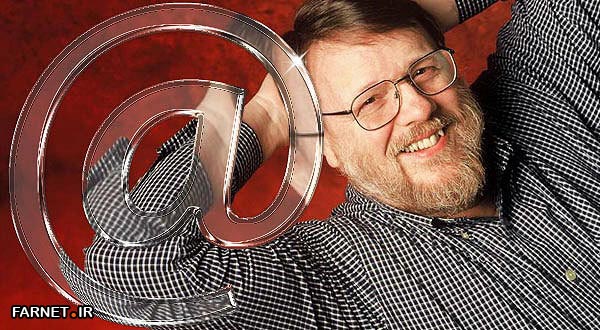
فارنت: ایمیل سرویسی است که بعضی از ما حدود ۲۰ سال است که از آن استفاده می‌کنیم اما خوب است بدانید عمر سرویس ایمیل بیش از این‌هاست. در حقیقت اولین سرویس‌های ایمیل در دهه ۱۹۶۰ میلادی ایجاد شده‌اند و بر اساس گزارش Wired مهندس کامپیوتری به نام “ری تاملینسون” پدیدآورنده بسیاری از ابداعات ایمیل مانند علامت @ است.

حالا شمایی که سال‌هاست از ایمیل استفاده می‌کنید دلیل وجود علامت @ را می‌دانید؟ این علامت یک نوع حرف اضافه است که هم جداکننده آدرس و نام سرور است و هم هیچگاه با دیگر حروف اشتباه گرفته نمی شود. تاملینسون درباره انتخاب این علامت می گوید:

” به کیبورد نگاه کردم، و فکر کردم: چه چیزی را می‌توانم انتخاب کنم که با بقیه حرف‌ها اشتباه گرفته نشود؟ اگر فردی وجود داشت که در نامش حرف @ وجود داشت این علامت انتخاب مناسبی نیست اما خوشبختانه این علامت جزو حروف الفبا نیست و به نظر مناسب است. علامت‌های دیگری مانند کاما، اسلش، پرانتز، خط تیره و براکت را ممکن است افراد در نام کاربری خود به کار ببرند، به این ترتیب تنها سه یا چهار کاراکتر باقی می‌ماند و @ به نظر مناسب ترین آنهاست. همچنین این علامت که at خوانده می‌شود مشخص می‌کند که نام کاربری در چه سروری واقع است.”

همچنین چند نکته جالب دیگر هم در مورد تاریخچه ایمیل وجود دارد:

- تاملینسون برای “بولت برانک” و “نیومن” کار می‌کرد که در واقع یک شرکت مهندسی بوستونی بود که طراحی اصلی سخت‌افزار و نرم‌افزار آرپانت، شکل اولیه اینترنت امروزی محسوب می‌شود. تمامی اختراعات او در این شرکت انجام گرفته است.

- اولین سرور ایمیل در سال ۱۹۶۱ میلادی راه‌اندازی شد که به وسیله آن کاربران می‌توانستند توسط سرور به یکدیگر پیام ارسال کنند. در واقع پیام‌ها هیچگاه از سرور اصلی خارج نمی شدند و کاربران تنها پس از لاگین کردن قادر به دریافت و مشاهده پیام ها بودند.

- برای قرار دادن @ در آدرس ایمیل، تاملینسون می‌بایست برنامه خود را به تمامی سایت‌های آرپانت ارسال می‌کرد که خوشبختانه در آن زمان یعنی سال ۱۹۷۲ میلادی تنها ۱۲ سایت دیگر در دنیا وجود داشت!

Source: Gizmodo

اسم مصدر (gerund)

در زبان انگليسي اسم مصدر با اضافه كردن ing  به انتهاي شكل ساده فعل ساخته می شود. اسم مصدر در جمله همانند اسم عمل مي كند .


smoking – swimming – speaking – watching


بعد از حروف اضافه "فعل با ing" يا "اسم مصدر"، قرار مي گيرد. دليل آن نيز اين است كه حرف اضافه هميشه قبل از اسم است.


پس اسم مصدر وظيفه اسم را دارد و مي تواند در نقش فاعل يا مفعول باشد و يا بعد از حروف اضافه قرار گيرد.


موارد استفاده از اسم مصدر به شرح زير مي باشد :


1- به عنوان مبتداي جمله (subject)(هر گاه لازم شود جمله اي با مصدر شروع شود چون نمي توان مصدر با to  را به عنوان فاعل جمله به كار برد آنرا تبديل به اسم مصدر مي كنيم.)

Learning  English is not difficult.

Finding  a job is difficult here.

Going to cinema is fun.


2- به عنوان مفعول جمله كه در اين حالت پس از برخي از افعال به كار مي رود . (object)

I like swimming in the river.

I enjoy reading.

 I enjoy climbing  mountain.


تذكر : افعالي كه پس از آن ها مي توان از اسم مصدر استفاده كرد عبارتند از :

avoid – enjoy – finish – imagine – keep – mind – miss – like – stop – mind – dislike


تذكر : پس از برخي از افعال هم مي توان از اسم مصدر و هم از مصدر با  to استفاده كرد . تعدادي از اين افعال عبارتند از :

allow – begin – forget – mean – like – prefer – remember – agree-stop


He likes to go / going to the park.


نکته1: دو فعل  remember , stop نسبت به شكل فعلي كه بعدشان به كار ميرود معانيشان فرق مي كند. 


الف) اگر بعد از stop اسم مصدر به كار رود معني جمله اينست كه فاعل از كار بعد از  stop  دست كشيده يا ميكشد يا خواهد كشيد. 

من از صحبت كردن با مرد دست مي كشم.                               .I stop speaking to the man

اما اگر بعد از stop  مصدر با to به كار رود معني جمله اين است كه فاعل از كار قبل دست برداشته يا بر مي دارد، يا خواهد برداشت تا كار بعد از stop را شروع كند.

من ايستادم تا با مرد صحبت كنم .                                        .I stopped to speak to the man


ب) اگر بعد از remember اسم مصدر به كار رود معني جمله اين است كه فاعل كار بعد از remember را به صورت تصويري از گذشته در وجود به ظاهر مي آورد.

هلن بستن در را به ياد مي آورد.                                   .Helen remembers locking the door


اما اگر بعد از remember مصدر با to به كار رود معني جمله اين است كه فاعل يادش مي ماند كه كار بعد از Remember را انجام دهد و آن را فراموش نمي كند. در واقع اين remember مترادف با ( not forget ) است.

هلن يادش مي ماند كه در را قفل كند.                           .Helen remembers to lock the door


اگر در اين حالت در دو جمله متوالي، فاعل واحدي، دو فعل را همزمان انجام نداده باشند بلكه بين فعل جمله اول و فعل جمله دوم يك فاصله زماني وجود داشته باشد

she parked the car. She went shopping.

در اين حالت براي پيوند دو جمله فعل جمله اول را تبديل به صفت فاعلي كامل مي كنيم .

به صورت فرمول زیر 

Have + ing + p.p

( after ) having parked the car, she went shopping.


3-  پس از حروف اضافه مانند : ( on – in – at – from – of ) از اسم مصدر استفاده مي شود .


I am tired of sitting here.

I am tired of walking.

I will call you after arriving at the office.

Please have a drink before leaving.

I am looking forward to meeting you.

Do you object to working late?

Tara always dreams about going on holiday.

She is good at speaking English.

You can improve your English by using the Internet.

We need to keep on going.


4- پس از تركيبات زير از اسم مصدر استفاده مي شود .


It's no good – It's no use – can't help – can't stand-to be busy-couldn't help- don't mind-feel like-how about-spend one's time- there's no-there's no point-what about- worth


It is no good going outside in this rainy day.

How about walking home instead of taking the car?

There's no point in complaining further.


نکته2: چون اسم مصدر جنبه اسم دارد پس مي تواند بعد از صفت ملكي يا حتي (′s) به كار رود.

I appreciate her speaking.

I appreciate Helen’s speaking

Differences between Set and Sit

Use 'set' to express the placement of an object on a surface.


I set the plates down on the table.

She set the books on chest of drawers.


Important Note: 'Set' is often used to refer to placing plates, glasses and other utensils on the table.


Verb Forms: Set - Set - Set - Setting


Use 'sit' when referring to the subject which moves from a standing to a sitting position.


Can I sit down?

Please sit on this chair.


Important Note:'Sit' is often used with the preposition 'down'.


Verb Forms: Sit - Sat - Sat - Sitting

Differences between Leave and Let

Use 'leave' to express movement away from a place.


I left the house at five o'clock.

She always leaves for work at seven in the morning.


Important Note: 'Leave' can also express the idea that someone has forgotten or placed something in another place.


She left her keys on the table.

I usually leave the papers in the top drawer.


Verb Forms: Leave - Left - Left - Leaving


Use 'let' to express the idea that someone allows another person do something.


I let them leave work early.

She lets her children watch TV on Saturdays.


Important Note: Remember that 'let' is always followed by an object and a verb in the base form without 'to'.


Verb Forms: Let - Let - Let - Letting

Differences between Remind and Remember

Use 'remind' to indicate that someone has reminded someone else to do something. Use the phrasal verb 'remind of' to indicate that someone or something else reminds you of someone or something else.


Jane reminded me to get him something for his birthday.

She reminded me of my sister.


Important Note: 'Remind' always takes an object.


Verb Forms: Remind - Reminded - Reminded - Reminding


'Remember' is used when a person remembers to do something on his or her own. 'Remember' is also used to express recollections of a past event.


I remembered to post the letters.

I remember studying all night long for exams.


Important Note:'Remember + Infinitive (to do)' refers to someone who remembers to do something. 'Remember + Gerund (ing form)' refers to a memory of a past event.


Verb Forms: Remember - Remembered - Remembered - Remembering

Differences between Raise and Rise  

Use 'raise' to indicate that something is lifted into another position by another person or thing.


I raised the books above my head.

She raised her hand in class.


Important Note:'Raise' is also used to express bringing up children, as well as increasing salary. Remember that 'raise' takes a direct object (the object being raised by someone or something).


They raised my weekly salary by $200.

They raised their children to respect the elderly.


Verb Forms: Raise - Raised - Raised - Raising


Use 'rise' to express movement of the subject from a lower to a higher position.


I rose from my chair and left the room.

She hasn't risen from that seat for more than three hours.


Important Note: 'Rise' can also indicate the act of getting up in the morning.


I like to rise early and get work done.


Verb Forms: Rise - Rose - Risen - Rising


Differences between Speak and Talk

There is little difference between 'speak' and 'talk' and they are often used interchangeably.


'Speak' is often used when someone is speaking to a group of people in general. 'Speak' is also used with languages.


Peter speaks both German and Italian.

She spoke about her problems at work.


Important Note: 'Speak' tends to be used in more formal situations.


Verb Forms: Speak - Spoke - Spoken - Speaking


'Talk' is used to express informal conversation between a limited number of people.


My wife and I talked about our child's future.

She continued talking to Jack after I left the room.


Important Note:'Talk' is often used with the preposition 'about' when introducing the subject of conversation, and 'to' when introducing the conversational partner.


Verb Forms: Talk - Talked - Talked - Talking

Differences between Say and Tell

Use 'say' to to speak in general about something that has been said by someone. 'Say' is often used to report what someone else has said.


John said he had a good time in Las Vegas.

The teacher often says we need to study more.


Important Note: 'Say' refers to any type of speech and is therefore more general in nature.


Verb Forms: Say - Said - Said - Saying


Use 'tell' to mean that someone has instructed or informed someone else of something. 'Tell' is often used to report what someone else has told a specific person.


Angela told them to hurry up.

Our friends told us about their experiences in Germany.


Important Note: 'Tell' is always followed by an indirect object. The infinitive form is often used following the construction to indicate instructions (see example above).


Verb Forms: Tell - Told - Told - Telling

برخی از مترادفها و تفاوت آنها

All and Every

All and every can have the same meaning but all is used with a plural noun as in All towns have a post office, and every is used with a singular noun as in Every town has a post office. Similarly , in the negative, " not all" is used with a plural noun and "not every" with a singular noun ,as in Not all towns have/ Not every town has a hospital.

Allow and let

Allow is more formal than let. Allow is used with an object and an infinitive verb with "to".

Allow mike go home.

Let is used with an object and an infinitive verb without "to".

Let  mike go home.

Let has no passive form. Use allow as “in be allowed to go home”.

Permit is more formal than allow.

Also, As well and too

Also is placed near the verb as in I would also like to go. As well and too can be placed at the end of a clause as in I would like to go on a trip to India as well/too.

Also is preferred when referring to the verb, as in I can also swim (in addition to doing other activities) and "too" is preferred when referring to the subject, as in I, too, can swim (in addition to other people). Also, as well and too cannot be used in negative sentences.

In and At

In is used for large or important places (e.g. A country and city) and for

Structures, objects, situations etc that have, or seem to have length, depth and height (e.g. buildings, vehicles,  containers, books,  a group of people). At is only possible when referring to a place (esp a building ) when being physically inside is not absolutely necessary, as in at the station / library.

Note also that "at school" can mean being a pupil. As in My son's still at school , as well as referring to where a person is, as in She’ll be at work until 6 o’clock and "in work" means employed as in She hasn’t been in work for months.

Murder and kill

Murder is used when a person's death is planned and caused by another person.

She was murdered by her husband.

He was killed in a car accident.

Persons and people

Persons is the standard plural of person but is only used in formal situations, as inPersons under 16 may not enter. In usual contexts use  people as in Six people came.

Say and Tell

Say is almost always followed by an object that is not a person.

 We say something.

Tell is usually followed by an object that is a person.

 We tell someone something.

Ago and Before

Ago is used when the point of reference is the present. It means 'before now".

Before is used when the point of reference is not the present. It means "before then", "earlier".

I started working for this firm three years ago.

Last summer, I finally left the firm that I had joined eighteen years before. (Swan, 1980: 32)


Beautiful and Pretty

Beautiful is the opposite of ugly. Anything that you find very pleasing. Attractive or desirable can be called beautiful. Beautiful is used to describe so many things that it may not mean much any more. 

Pretty describes those things that are pleasant and nice to look at but are not grand enough or important enough to called beautiful. (Schiller et al, 1969: 59) Beautiful when describing people, beautiful and pretty are generally used of women and children and handsome of men. They all relate to the pleasing appearance of face. Beautiful is a serious and approving description, suggesting elegance and perfection.

Pretty may suggest a delicate feminine appearance and can be used disapprovingly of men. Handsome may be applied to women and suggest dignity and maturity. Good looking and attractive are used of both men and women.


Begin and Start

Begin and start have almost the same meaning. You can use either word in almost every case, but start is better when you making the first actual move. Begin can mean set about to do something.

Start means change from being still to moving. It also means come into being. When you start walking, you take the first step.

In many cases, begin and start can be used with no real difference. In informal style, start is more common than begin. Start is used in same cases where begin is not possible.

1.      "To start a journey".

I think we ought to start at six, while the roads are still clear.

"To start working".(for machines)

    The car wont start.

2.     "To make (machines) start.

How do you start the washing machine? (Swan, 1980,103)


Big

when something is called big, it may be big in size or in importance. A big dog can jump over a fence, but a little dog can't. Big is a word that can be used to describe almost anything that is bigger than something else.


Big and Large

Big and large are used when talking about physical size, extent, capacity or number. Big is more informal. Large is not normally used to describe people. Her husband is a very big man. Great is mostly used when talking (usually approvingly) a bout important, quality, ability or extent. Large and great are very similar in meaning when used with amount, quantity and number.

Large is the opposite of little or small. Large means bigger in size or amount than other things like it. Like the word big, the word large is used for many things of different sizes, and you cant really tell what a person means when he calls something large unless he is measuring its size against something else like it.


Big and Large

When we talk about size, we use both big and large. There is a difference of style, big is a more conversational word, large is a little more formal.


Close and Shut

Close is more common than shut to talk about slow gradual movements, like flowers closing at night.

Close is also used more often in a formal o solemn style; shut is more common when we are taking roughly or rudely.

He sank back on the pillow and closed his eyes for the last time.


Close and Shut

Close means the same as shut and is more formal.

Shut/close the door.

When referring to the opening hours of public pleas both shut and close are used. Note close in the following example:

Museums are closed to the public on Monday.

Close can mean "terminate" and "Make smaller". It is also used of road, railway, etc.

They've closed the road because of an accident.


Every and Each

Every and each  are generally used as determiners before singular countable nouns . Each is used when the items in a group ( of two or more ) are considered individually . Every indicates that all the items in a group ( of three or more ) are being regarded as members of that group .It can be modified by some adverbs : Every / Nearly .Each on of and every one of comes before  plural nouns or pronouns , but the verb is still singular .

Each of the houses is slightly different .

Each can function as a pronoun on its own .

I asked all the children and each told a different story .

It can also follow a plural subject or an indirect object with a plural verb .

We each have a different point of view. ( Oxford Dictionary , 1989 )

Each is thus more individual and specific but Every is the emphatic word . 


Excuse me and Pardon me

We say Excuse me to someone if we want to get his or her attention or before we do something that might disturb him or her. We say sorry or (formally) I bag your pardon when we need to apologize for something.

In US English pardon me and Excuse me are used for apologize. We say pardon? When we didn't hear what someone said and want them to repeat it. In this case sorry? Is also used in British English and Excuse me? or pardon me? In US English.


Fast, Quick and Rapid

Fast (adj) moving or doing quickly, rapid; a fast car, horse, runner, ie one that can move at high speed. b) happening quickly.

quick: a) (capable of) moving fast or doing sth in a short time. A quick worker/ reader q quick to respond, react, learn b) done in a shot time.

have a quick meal.

rapid: a) moving r acting with great sped; fast:

Ask several questions in rapid succession.

b) happening in a short time, prompt.

Fast (adj) is the opposite of slow. As an adjective, fast means moving, happening, or action with speed or able to move from.

rapid: means fast in movement.

quick: means fast in  learning or understanding or doing something. He gave a quick answer to the question.

Fast (adv Fast tells how someone moves or acts or how something happens or is done. Synonyms for the adverb fast have the same meanings as the synonyms for the adjective fast.


Finish and End

End as a verb, means stop doing something or come to the part of something. It is the opposite of begin and start. Finish and Complete mean end naturally what you started to do. You finish something when you have done everything that is necessary to end it.

End (N) is the last point to which something can go. It can mean the last part of something. End is the opposite of beginning. The finish is the end of something that has been started or begun. Finish is usually used for the end of something that has been started or begun. Finish is usually used for the end of a race or fight.


Game and play

Game (N) form of play or sport with rules. Play (N) activity done for amusement, esp children, recreation.


Hard and Difficult

Difficult are problems that must be given much thought before can be solved. You might use difficult when you talk of problem or task that makes you use your brain or come to some decision.

Hard is the opposite of easy. It usually describes something that takes strenuous exercise or action or work. You may not have to think to do something hard. You do have to think to do something difficult. If something is hard to do, It is not impossible to do, but it will take a lot of work and strength and may be a lot of time. It’s hard to move a piano, but it’s difficult to play it.


House and Home

A house is any building use for dwelling in, and home is the particular house in which one is living. “Home” may also denote one’s own country. When an Englishman say, “I am going home this summer" he means going to England.


Little and Small

Small refers to size. It is the opposite of big or large. Little ( as an adjective) is generally used to express some emotion, as well as the idea of smallness. This can be for example, attention, amusement, disgust, contempt. Little is mostly used in attributive position. (before a noun).

Little is the opposite of big or large. Little means less than other things in value or size.

You can use small and tiny instead of little when you are talking about the size of some object. You might speak of a small child or a tiny child.

You wouldn’t use small or tiny if you were talking about the amount of something. A little candy usually means a few pieces of candy. A small or tiny candy would mean one piece that was very little.


Meet and Visit

Meet: a) come face to face with (sb) ; come together: b) come together formally for discussion.

Visit: a) go or come to see ( a person, place, etc) either socially on business or for some other purpose. B) to or come to see ( a place, an institution, etc) in order to make an official examination or check.


Mr and Sir

Mr 1) title that comes before the ( first name and the) surname of a man. Mister:

Mr (John) Brown. Mr and Mrs Brown. 2 (fm1) title for certain men in official position: Mr chairman. ( esp US) Mr president.

Sir: 1a) used as a polite way of addressing a man. Yes, sir. b) used as a rorm at address by school children to a male teacher 2. sir ( used at the beginning of a formal letter): Dear sir 3. sir/ s6(r)/(title used before the first name of knight or baronet. Sir”Edwad”. Sir “John Jackson”


See, Look and Watch

See : means take in the sight of something. You see a movie when you are looking at one thing.

Look or look at: means take in or understand something by using the eyes. To look you focus your at: means take in or understand something by using the eyes. To look you focus your eyes on something. She looked at the sky and saw millions of stars.

Watch: means look at or observe for a long time in order to follow the movement of something in order to be ready for something. Watch can mean look for something or someone. Watch also means keep a close eye on something or someone.


See, Look and Watch

See is used we just want to say that visual impressions come to our eyes. Seeing is not always deliberate. It may be accidental. You can see things without thinking about them and even without realizing that you are seeing them.

Look (at): suggests concern… Intention; if we look, we are pay attention or trying to see what is there.

Watch is like look, but suggests that something is happening or going to happen.

We usually use see to talk about public performance of plays and films. “Did you watch the Avengers last night” ( A TV serials) Have you seen “last Tango in Paris”? ( A film) We saw an extraordinary production of “Hamlet” last summer.


Say, Call, Talk, Speak and Tell

Say: is used so often that it has become one of the most tired words in our language. When you say something, you are expressing a thought by means of spoken words.

Call: means say loudly. Call means a sound with your voice in order to get someone attention.

Talk: means express a thought or share ideas with some in by using your voice and forming words. Talk usually suggests that you say words to someone who listens to you and then replies. “People talk to each other” But it is possible to talk to someone or to something that does not listen or reply. “little girls often talk to their dolls”

Speak: means say words whether you are talking to someone or not. Some people speak several languages.

Tell: usually means give information to someone by speaking. You could tell your brother a bedtime story.


Speak and Talk

Speak is more formal, not so conversational. ( just as a speech is more formal than talk)

Talk usually suggests the idea of a conversations exchange. Speak can be used of language by just one person. Speak ( and not usually talk) is used to refer to knowledge of language and usually also to the use of language. 
”He speaks three languages fluently”

Talk ( and not usually speak ) is used in expressions like nonsense, Talk rubbish


Street and Avenue

Street: ( abbr St) public road in a city, town or village with houses and buildings on one side or both sides.

Avenue 1) wide road or path, often lined with trees, esp one that leads to a large house.

               2) ( abbr Ave)  wide street lined with trees or tall buildings.

In a town, street is the most general word for a road lined with buildings. In British English street is not used for roads outside towns but street in towns may have the word Road in their names.

An Alley or Lane is a narrow street between buildings.

An  Avenue is usually a wide street of houses, often in the suburbs and lined with trees. ( In US cities avenue often run at right angles to street). Roads

(US high ways) connect towns and villages.